
10 Sep Painful Intercourse and Endometriosis: Why Does It Happen and What Can Help?
Painful sex or intercourse, also known as dyspareunia, is a common symptom experienced by women living with endometriosis. Research suggests that up to 50% of women with endometriosis may experience pain during intercourse, and for many, it can significantly impact quality of life, relationships, and emotional wellbeing.
Pain during intimacy is not “just in your head,” and it is not something you simply have to put up with. While it is a physical symptom, it can also affect how we feel emotionally and mentally about intimacy. Feelings of apprehension, fear, loss of libido, guilt, shame, reduced self-esteem, and even a sense of betrayal by our own body are common experiences.
For those who previously enjoyed intimacy, something that once felt pleasurable can become associated with fear and avoidance.
Why can endometriosis cause painful intercourse?
Endometriosis occurs when endometrial-like tissue develops outside of the uterus. These lesions are commonly found around the pelvis and abdomen, although in some cases endometriosis can occur outside of the pelvic region.
These lesions can create inflammation, irritation, scar tissue (adhesions), and changes in surrounding tissues.
Pain during intercourse can occur for several reasons:
– Deep lesions can become sensitive when pressure is placed on surrounding tissues.
– Inflammation and adhesions can restrict normal tissue movement.
– Chronic pain can lead the body to become protective.
– Muscles surrounding painful areas can become tense and overactive.
When the body experiences ongoing pain, it often responds by guarding and protecting the area. Muscles around the pelvis, abdomen, buttocks, and inner thighs may tighten in response.
Over time, some women can also develop pelvic floor dysfunction or vaginismus, where the pelvic floor muscles tighten around the vaginal opening, often associated with anticipation of pain or fear around penetration.
Tips that may help
Remember that intercourse does not equal penetration
Intimacy is much broader than penetration alone. Exploring different forms of intimacy can reduce pressure and help rebuild positive experiences around connection and pleasure:
Communication matters
A supportive, caring partner makes a significant difference. Open communication about symptoms, boundaries, and comfort levels can help rebuild trust and desire around intimacy. You are working together as a team.
Learn what feels comfortable for your body
Exploring your own body through self-touch or masturbation may help you identify where discomfort occurs and what levels of pressure feel manageable. Adequate lubrication can also reduce friction and improve comfort.
Speak to your GP
If painful intercourse is affecting your quality of life, discuss your symptoms with your GP or healthcare provider. Depending on your situation, options such as hormonal management, further investigations, or surgery may be considered.
Seek physio/osteo support
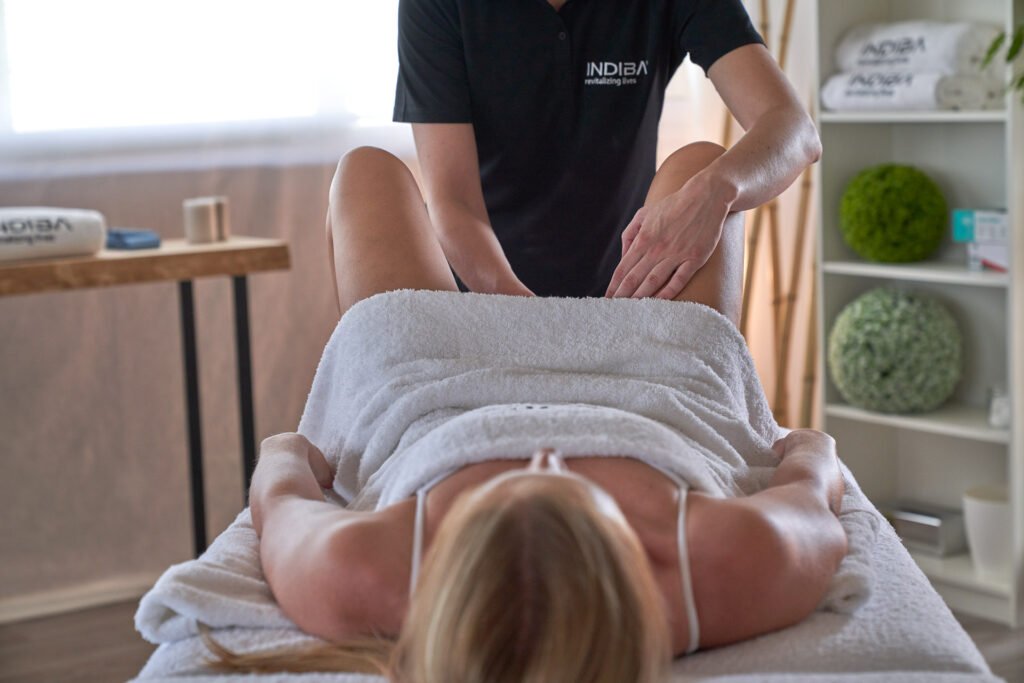
Working with healthcare professionals experienced in endometriosis, such as pelvic health physiotherapists and osteopaths, can help address movement patterns, muscle tension, pain management, and pelvic floor function.
At The Manual Therapy Clinic, we take a multimodal approach, combining osteopathic care, physiotherapy, and INDIBA radiofrequency therapy.
Emerging research suggests that radiofrequency treatments such as INDIBA may help support tissue healing, circulation, pain reduction, and muscle relaxation when used alongside rehabilitation approaches for chronic pelvic pain and dyspareunia. While research specifically in endometriosis is still developing, combining hands-on treatment, movement therapy, and pelvic floor rehabilitation may help improve comfort and quality of life for women.
Final Thoughts
Painful intercourse can feel isolating, frustrating, and emotionally exhausting. Many women living with endometriosis feel pressure to “push through” symptoms or feel guilty for avoiding intimacy.
Your symptoms are valid, and you deserve support.
Managing endometriosis is not simply about reducing pain. It is also about rebuilding confidence in your body and creating a better quality of life.
No Comments